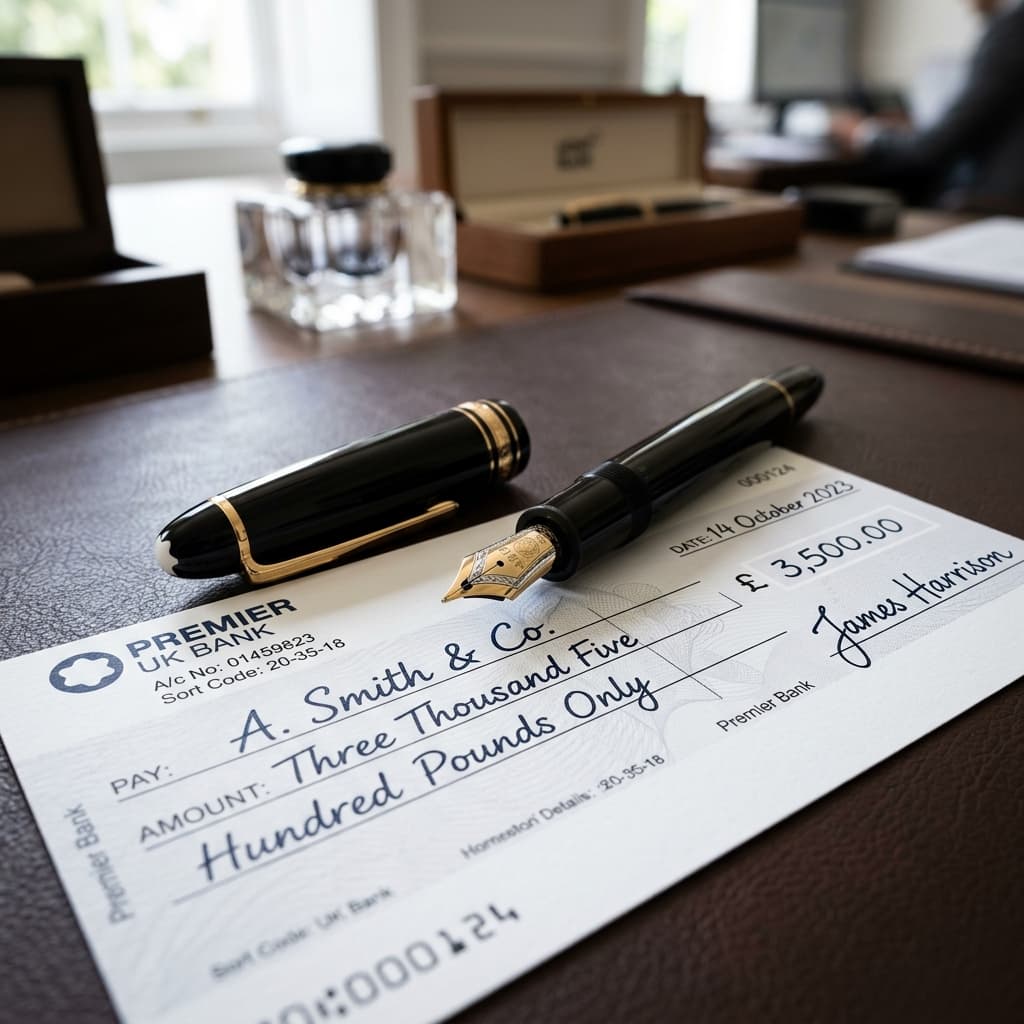
In an era of instant transfers, the physical cheque remains a cornerstone of formal finance. However, its manual nature makes it susceptible to simple errors that can lead to rejections, delays, or even fraud.
1. The "Only" Omission
One of the most frequent mistakes is forgetting to write the word "Only" at the end of the written amount. Without it, a malicious actor could theoretically add words to the end of your amount (e.g., turning "One Thousand" into "One Thousand Five Hundred").
Pro Tip: Always write "Only" immediately after the words to close the line.
2. Date Formatting Ambiguity
Does 01/02/26 mean January 2nd or February 1st? Depending on your country, banks may have different standards. Using ambiguous date formats can lead to your cheque being considered "post-dated" or "stale" prematurely.
3. Mismatched Numbers and Words
If the numerical box says $1,200 but the words say "One Thousand Two Hundred Fifty," the bank has a legal dilemma. While words usually take precedence, most modern banks will simply reject the cheque for discrepancy.
4. Leaving Blank Spaces
Leaving wide gaps between the currency symbol and the first digit, or between words, invites tampering. Start your writing as far to the left as possible and draw a line through any remaining space.
5. Signature Mismatch
Your signature is your authorization. Over time, signatures can evolve. If your signature on a high-value cheque doesn't closely match the one on file from ten years ago, the bank's security protocols will trigger a rejection.
Conclusion
Writing a cheque is a legal act. By taking an extra 30 seconds to ensure these five areas are addressed, you protect your finances and ensure your professional reputation remains intact.